


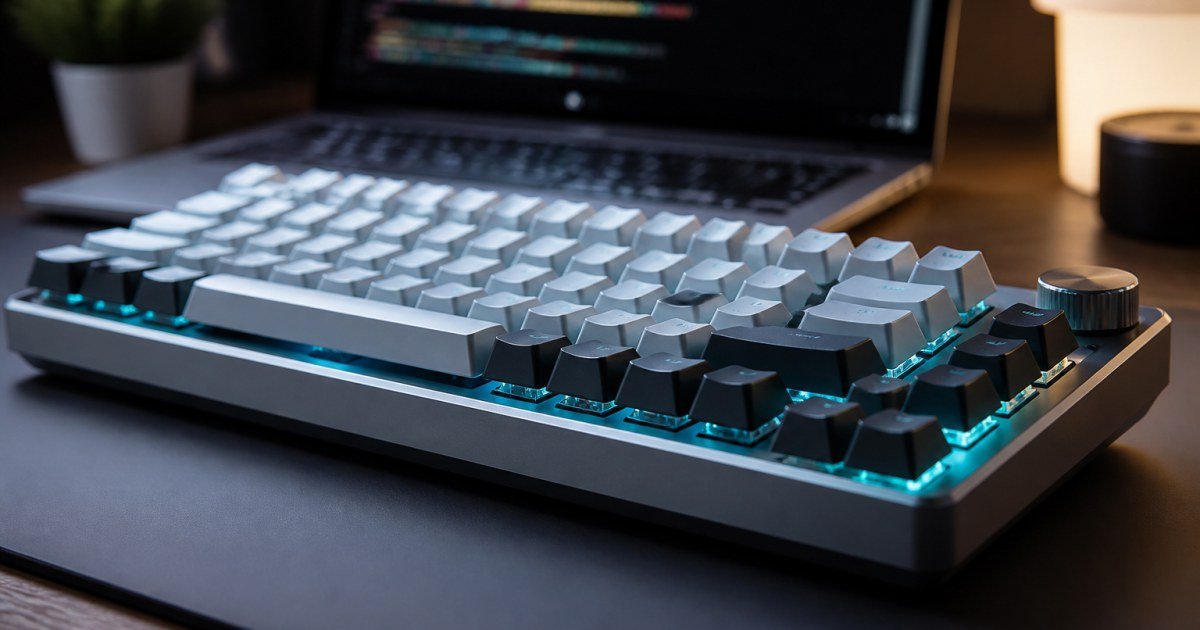
Mechanical keyboards are a taste-driven productivity purchase. The right switch and layout can make long writing days easier—or annoy everyone on your calls.
Affiliate disclosure: TalkGrove may earn a commission when you buy through links on this page. That never changes our editorial standards or ratings.
Why This Guide Matters
Choose layout (full/TKL/60%), switch feel (linear/tactile/clicky), connectivity, and noise level for your environment.
Key Features and Buying Criteria
Hot-swap boards let you experiment. Wireless is convenient; battery anxiety is real for heavy typists.
Must-check items before you buy
- Confirm plan limits that affect your real workload
- Ask for all-in pricing including add-ons and seats
- Run a short pilot with a production-like task
- Read cancellation, data export, and refund terms
Pricing Reality in 2026
Excellent boards exist well below enthusiast custom prices. Start mid-range before building a $400 endgame.
Who It Is Best For
Anyone typing thousands of words or lines of code weekly.
Practical Takeaways
- If you share space, avoid loud clickies
- Try switches if a store/return policy allows
- Consider a wrist rest for long sessions
How TalkGrove Evaluates Tools
We score clarity of pricing, real workflow fit, learning curve, support responsiveness, and whether the product still makes sense after the free trial. Recommendations stay independent even when affiliate links are present.
Final Verdict
Pick comfort and noise profile over RGB hype—your daily typing feel is the product. Read related TalkGrove reviews and comparisons next, then decide with a written checklist—not a impulse upgrade.