


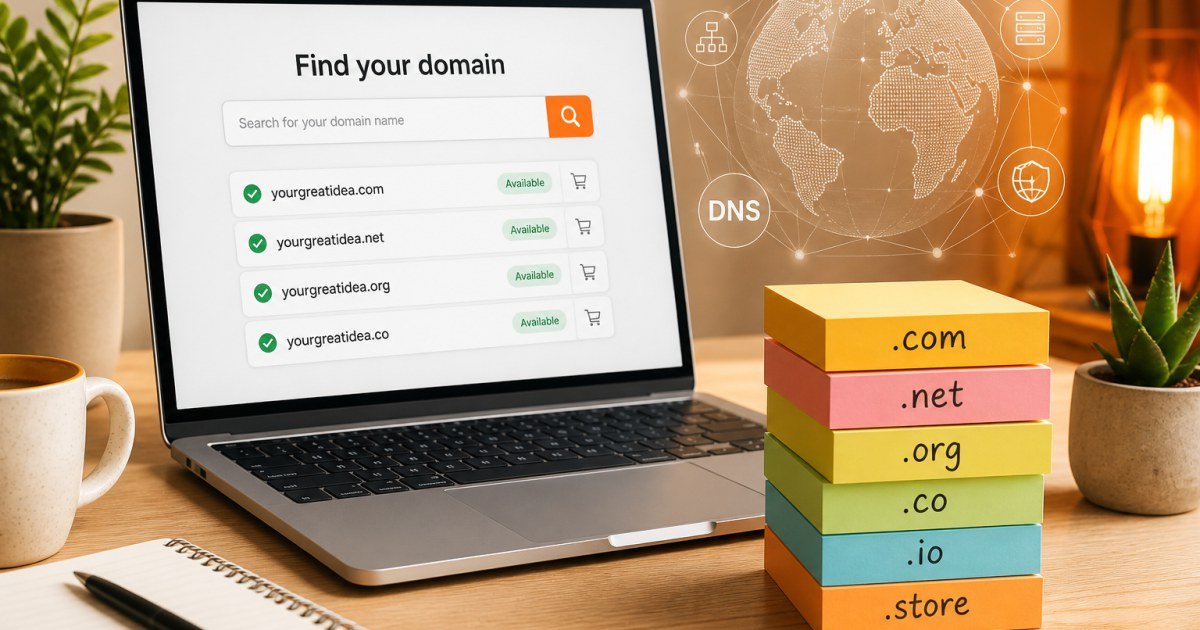
Domain registrars compete on first-year discounts. Namecheap stays popular because renewals and Whois privacy are usually straightforward for indie publishers.
Affiliate disclosure: TalkGrove may earn a commission when you buy through links on this page. That never changes our editorial standards or ratings.
What Namecheap domains Is
Namecheap sells domains, DNS, and related security add-ons with a self-serve dashboard aimed at individuals and small teams.
Key Features and Buying Criteria
Domain privacy, DNS hosting, email forwarding, and transfer workflows matter more than flashy upsells.
Must-check items before you buy
- Confirm plan limits that affect your real workload
- Ask for all-in pricing including add-ons and seats
- Run a short pilot with a production-like task
- Read cancellation, data export, and refund terms
Pricing Reality in 2026
Always check renewal and redemption fees by TLD. Promo prices are not the real cost of ownership.
Who It Is Best For
Great for portfolio domain buyers who want predictable DIY control.
Practical Takeaways
- Enable domain lock and 2FA
- Document auth codes before transfers
- Avoid impulsive premium domain upsells
Pros and Cons
Pros: transparent DIY culture and privacy options. Cons: premium support expectations differ from enterprise registrars.
How TalkGrove Evaluates Tools
We score clarity of pricing, real workflow fit, learning curve, support responsiveness, and whether the product still makes sense after the free trial. Recommendations stay independent even when affiliate links are present.
Final Verdict
Namecheap remains a practical registrar choice in 2026 if you care about renewal clarity and hands-on DNS control. Read related TalkGrove reviews and comparisons next, then decide with a written checklist—not a impulse upgrade.