


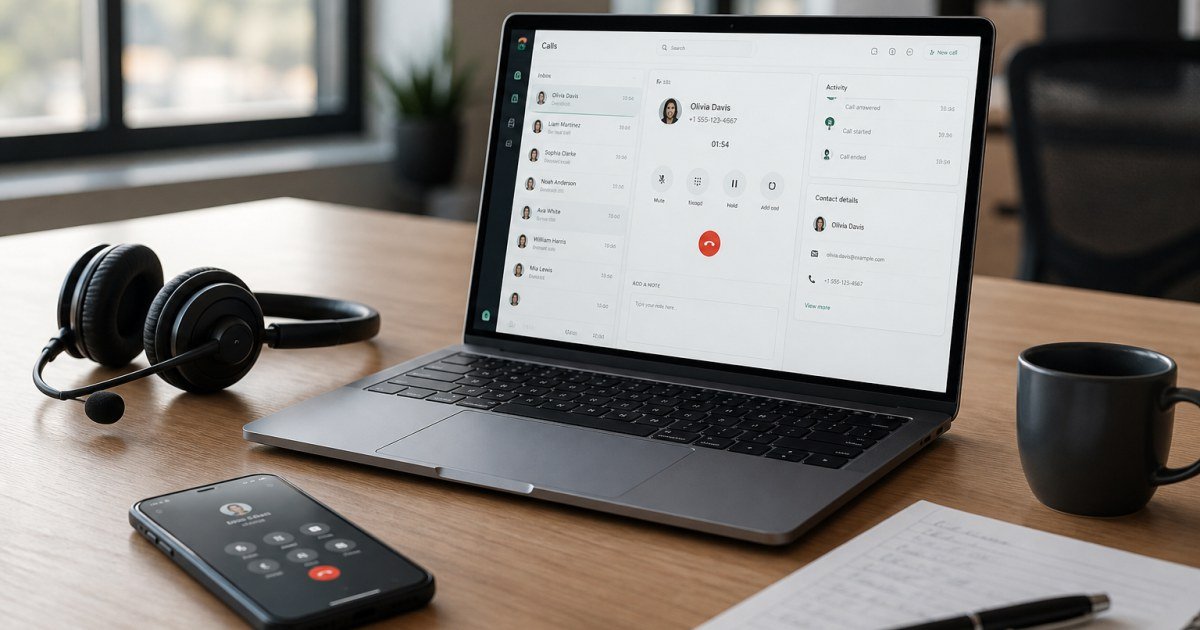
Aircall positions itself as the cloud phone system built for modern sales and support stacks—not a bolted-on PBX. In 2026 that pitch lands when your reps already live in a CRM and need click-to-call, logging, and coaching without juggling a separate telecom console.
Affiliate disclosure: TalkGrove may earn a commission from qualifying purchases.
What Aircall Does Well
- Softphones and numbers designed for browser-first teams
- Deep CRM / helpdesk hooks that reduce manual call logging
- Analytics that help managers coach from real conversations
- Shared numbers and teams for inbound support queues
Pricing Reality Check
Per-user VoIP quotes rarely equal invoice totals. Ask about number fees, recording retention, international rates, and which analytics modules are included. If you only need two shared lines and SMS, compare OpenPhone before overbuying.
Aircall vs Alternatives
Pick Aircall for CRM-native calling. Pick Dialpad if AI transcription is the differentiator—see our Dialpad review. Pick Nextiva for broader SMB phone packaging in our Nextiva review. Pick RingCentral when you need heavier UCaaS gravity.
Who Should Buy
- Sales teams that measure every dial inside HubSpot or Salesforce
- Support orgs already on Zendesk-style helpdesks
- Remote companies that want softphones first, desk phones second
Final Verdict
Aircall earns a TalkGrove recommend when integrations—not lowest seat price—are the buying criterion. Pilot with your noisiest pipeline, confirm CRM field mapping, and only then port the main number using our porting guide.