


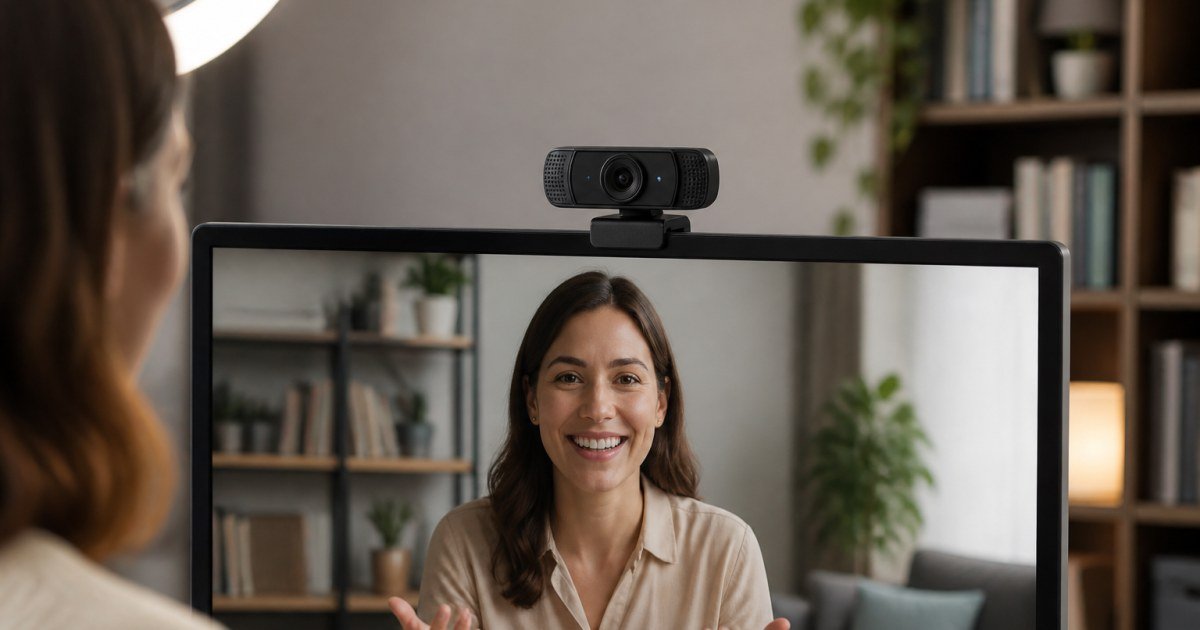
Laptop webcams still make competent people look washed out. A dedicated webcam—or better lighting—is one of the highest ROI remote-work upgrades under a few hundred dollars.
Affiliate disclosure: TalkGrove may earn a commission when you buy through links on this page. That never changes our editorial standards or ratings.
Why This Guide Matters
1080p with good low-light performance beats marketing 4K in dim rooms. Lighting often matters more than the sensor.
Key Features and Buying Criteria
Autofocus reliability, FOV options, mount flexibility, and software privacy shutters are practical differentiators.
Must-check items before you buy
- Confirm plan limits that affect your real workload
- Ask for all-in pricing including add-ons and seats
- Run a short pilot with a production-like task
- Read cancellation, data export, and refund terms
Pricing Reality in 2026
Mid-range business webcams outperform ultra-cheap no-names for daily calls. Phones on a tripod remain a contender.
Who It Is Best For
Anyone client-facing on video weekly.
Practical Takeaways
- Fix lighting before upgrading the camera
- Mount slightly above eye level
- Disable beauty filters that smear detail
How TalkGrove Evaluates Tools
We score clarity of pricing, real workflow fit, learning curve, support responsiveness, and whether the product still makes sense after the free trial. Recommendations stay independent even when affiliate links are present.
Final Verdict
A solid 1080p webcam plus decent light beats a dark 4K feed—spend on the bottleneck you actually have. Read related TalkGrove reviews and comparisons next, then decide with a written checklist—not a impulse upgrade.