


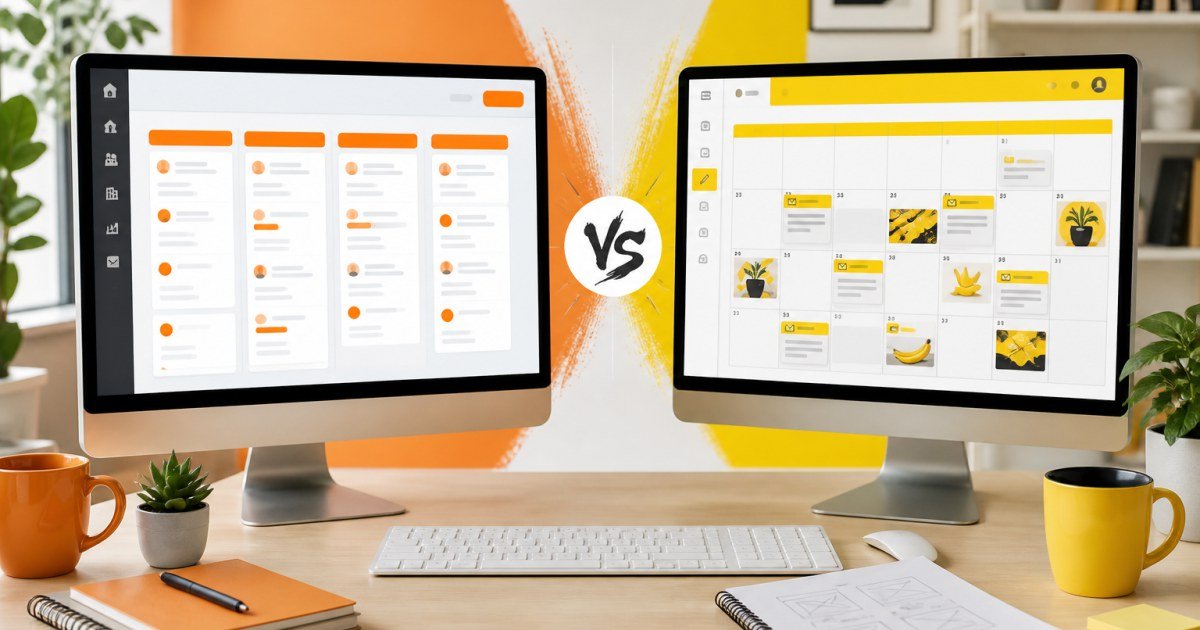
HubSpot and Mailchimp both email; only one is truly building your company operating system around CRM objects. Choose based on whether sales pipeline or campaigns come first.
Affiliate disclosure: TalkGrove may earn a commission when you buy through links on this page. That never changes our editorial standards or ratings.
Quick Verdict
Choose HubSpot when CRM is the center of work; choose Mailchimp (or a creator ESP) when email campaigns are the center.
Key Features and Buying Criteria
HubSpot wins pipeline + attribution depth. Mailchimp wins straightforward campaign execution for many content brands.
Must-check items before you buy
- Confirm plan limits that affect your real workload
- Ask for all-in pricing including add-ons and seats
- Run a short pilot with a production-like task
- Read cancellation, data export, and refund terms
Pricing Reality in 2026
Both get expensive. HubSpot’s hub packaging is powerful and easy to overbuy; Mailchimp’s contact pricing also bites.
Side-by-Side Differences
HubSpot
CRM-first platform with marketing/sales hubs that expand into a full funnel OS.
Mailchimp
Email/campaign-first platform with lighter CRM-ish contact tools for many small brands.
Who It Is Best For
Sales-assisted businesses lean HubSpot. Newsletter-led creators often do better with Kit/Brevo/Mailchimp-class ESPs.
Practical Takeaways
- List must-have objects: deals, tickets, or just subscribers?
- Price year one and year two
- Avoid migrating until a 30-day pilot succeeds
How TalkGrove Evaluates Tools
We score clarity of pricing, real workflow fit, learning curve, support responsiveness, and whether the product still makes sense after the free trial. Recommendations stay independent even when affiliate links are present.
Final Verdict
Choose HubSpot when CRM is the center of work; choose Mailchimp (or a creator ESP) when email campaigns are the center. Read related TalkGrove reviews and comparisons next, then decide with a written checklist—not a impulse upgrade.